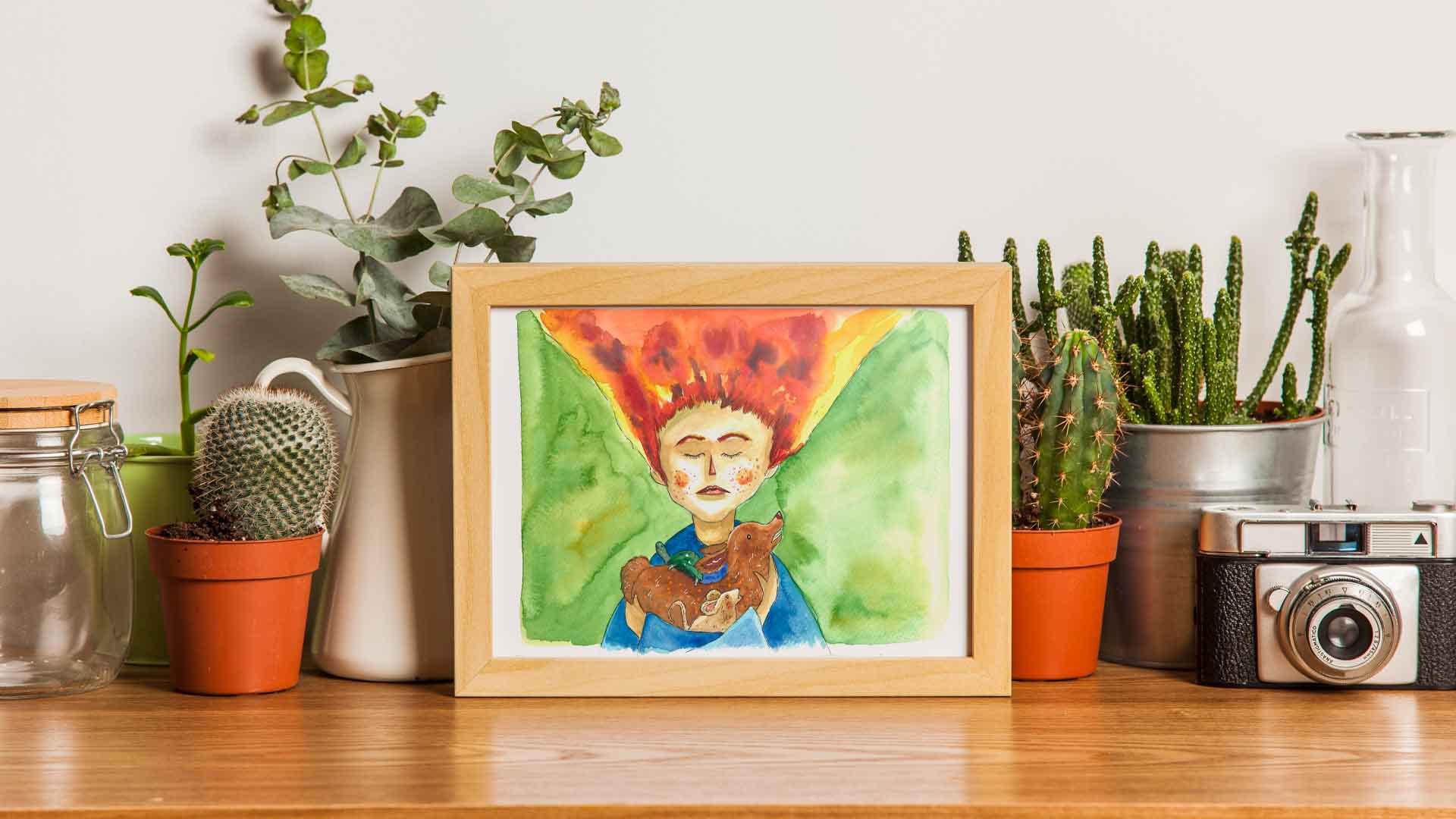

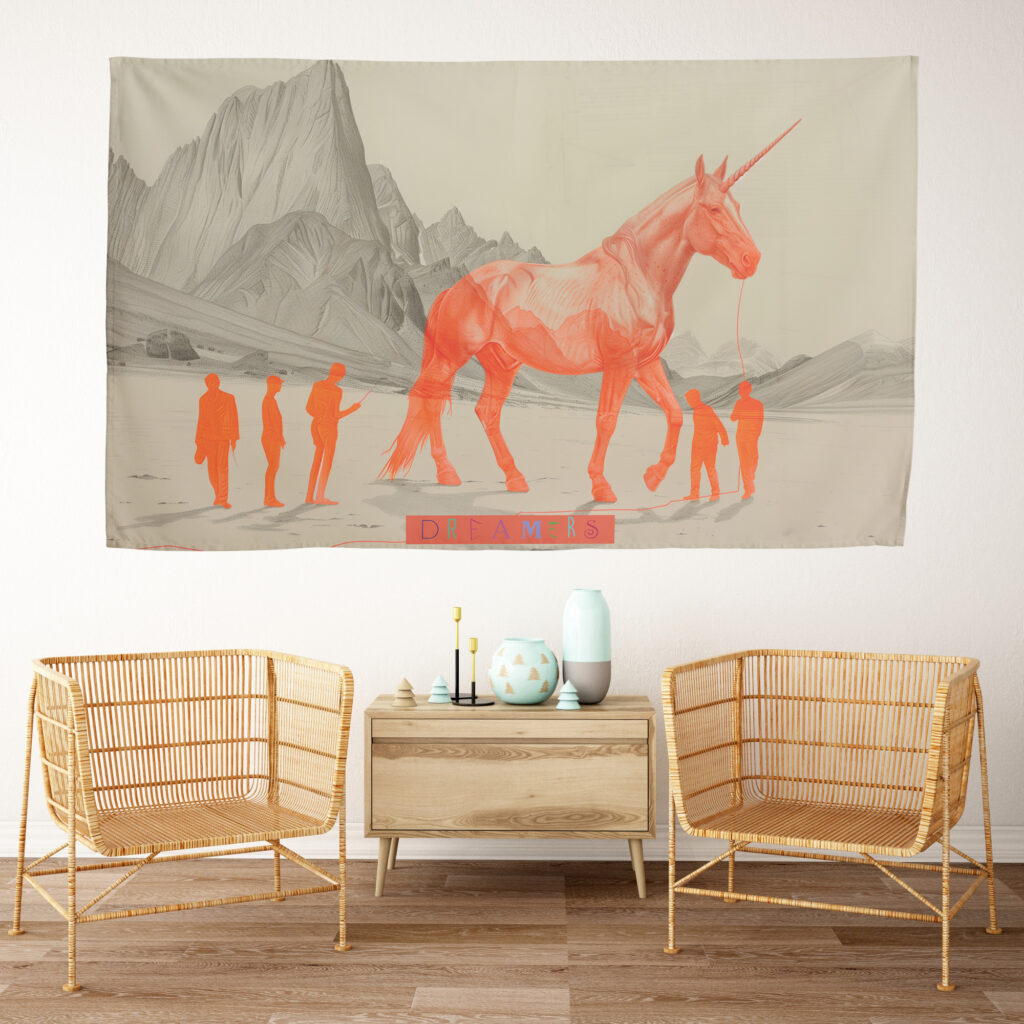
Lekedar was an independent brand we founded with the aim of producing different products around original themes. Our goal was not only to sell products, but to transform illustrations, stories, and diverse imaginative worlds into objects that could be used in everyday life. Under themes such as “Dreamers,” “Samsara,” and many others, we produced around 20 different product categories over an extended period of time.
The brand operated for approximately three years. However, much like Roadrow, which we had founded earlier, Lekedar was unable to survive under the existing economic conditions. The reason was not simply the act of producing; it was the increasing difficulty of trying to sustain a small-scale independent brand.
When we considered the cost of producing a single product, this was the picture that emerged: high tax rates, commissions taken by online marketplaces, increasing production expenses, and constantly rising costs. Within an economic structure where even large brands were struggling, the space for small producers grew narrower each day. At a certain point, we were no longer able to continue.
Perhaps the brand did not grow enough. Perhaps we did not do some things right. Perhaps the issue was not only us. I don’t know. But what I do know is this: the starting point of Lekedar was genuinely sincere. We wanted to bring together different ideas, original illustrations, and stories with people.
Although the brand has closed today, what remains is not only the products that were sold, but also an idea that was sincerely pursued and brought to life.
Roadrow was a project I started about seven or eight years ago, and at the same time it was also a brand. Its starting point was quite clear: to show that art could move beyond major cities by painting villages and village schools across Turkey.
In line with this idea, I planned to buy a caravan and travel across Turkey from village to village, painting village squares and village schools wherever I went. In order to make this journey sustainable, I founded the Roadrow brand. The brand was designed not only as a project idea, but also as a production and sales model that could financially support and sustain this vision.
Roadrow soon evolved into a limited liability company. The products created were sold both in retail stores and through e-commerce platforms. The aim was to finance the art projects to be carried out in villages through the income generated by the brand’s commercial activities.
However, over time, rising production costs and increasingly difficult economic conditions for small businesses made this structure hard to sustain. In an economic environment where it became progressively harder for small companies to survive while large corporations continued to grow, it was no longer possible for Roadrow to maintain its commercial activities.
For this reason, Roadrow said goodbye to its commercial life in February of this year.
Nevertheless, the reason behind Roadrow’s creation and the idea it carried still remain important to me. Because this brand was not only a commercial venture, but also an attempt to question whether producing art in villages across Turkey is possible.